Qi Nourishment
Low energy on busy days
Build a meal you have the appetite to finish. The team uses qi, the traditional word for vitality, to explain why it starts with regular meals, soft grains, a protein food and vegetables.
Beginning of SpringChinese yam and rice congee with an egg or tofu and a side of cooked greens.
Yin Nourishment
Dry lips in dry weather
Choose soft, moist foods in comfortable portions. In the book, nourishing yin means looking after fluids. A warm fruit soup adds water to a snack, and keeping the fruit in the bowl preserves its fibre.
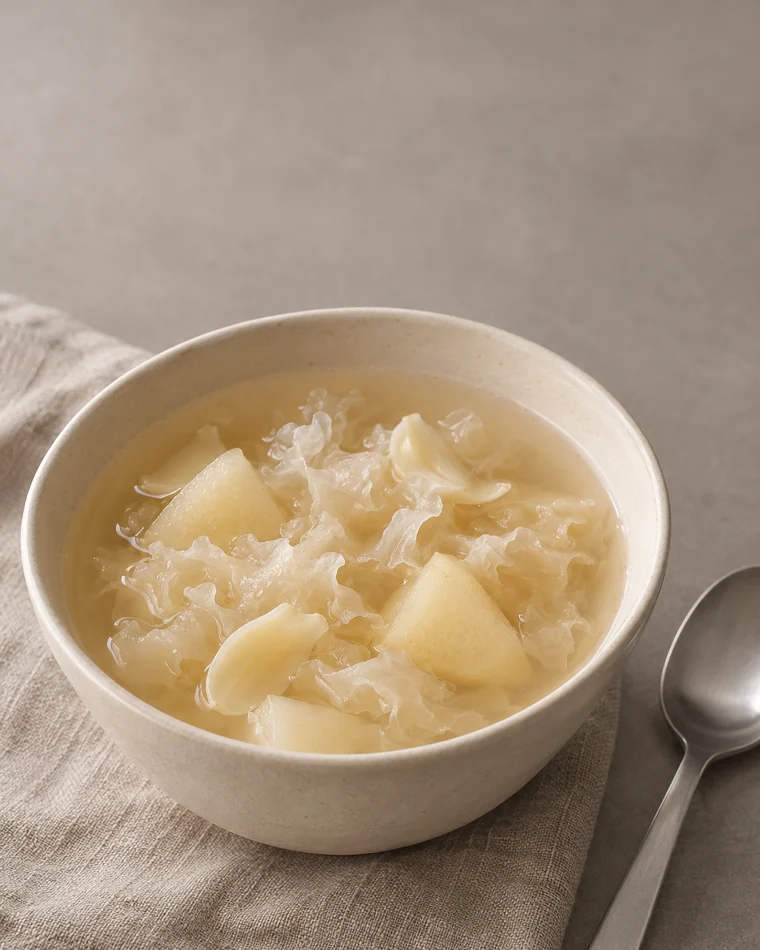
White DewSnow pear, snow fungus and lily bulb soup, sweetened by the pear itself.
Qi & Blood
Feeling worn down after eating too little
The traditional approach is to nourish qi and blood together. Give the meal substance by serving the meat, eggs or beans alongside a staple and vegetables. Beef contributes protein and iron.
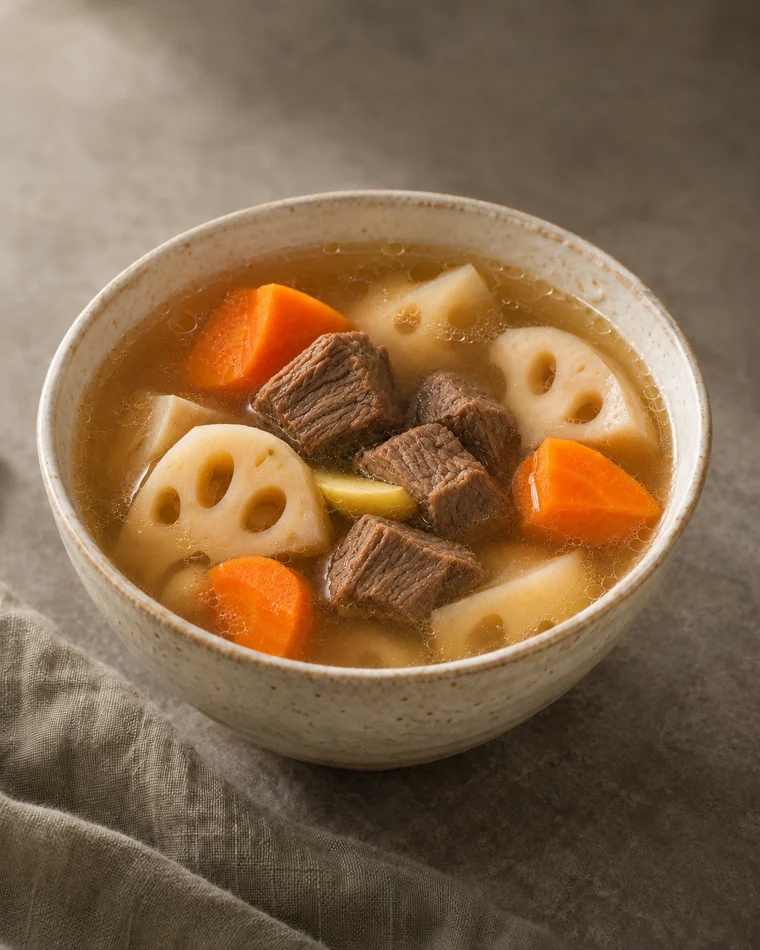
Winter SolsticeLotus root, carrot and beef soup, with the beef and roots divided between both bowls.
Wood & Fire
Feeling hot and restless
The book describes irritability and a bitter taste through the traditional idea of heat. Ease back on strong chilli and heavy seasonings for a meal. Let the natural flavour of grains and beans come through.
Grain in EarMung bean and lily bulb soup with no added sugar.
Damp Heat
Feeling sluggish after rich food
Dr Ma uses this palace to discuss heaviness after oily or sweet meals. Choose a lightly seasoned dish that still contains vegetables, grains and protein.
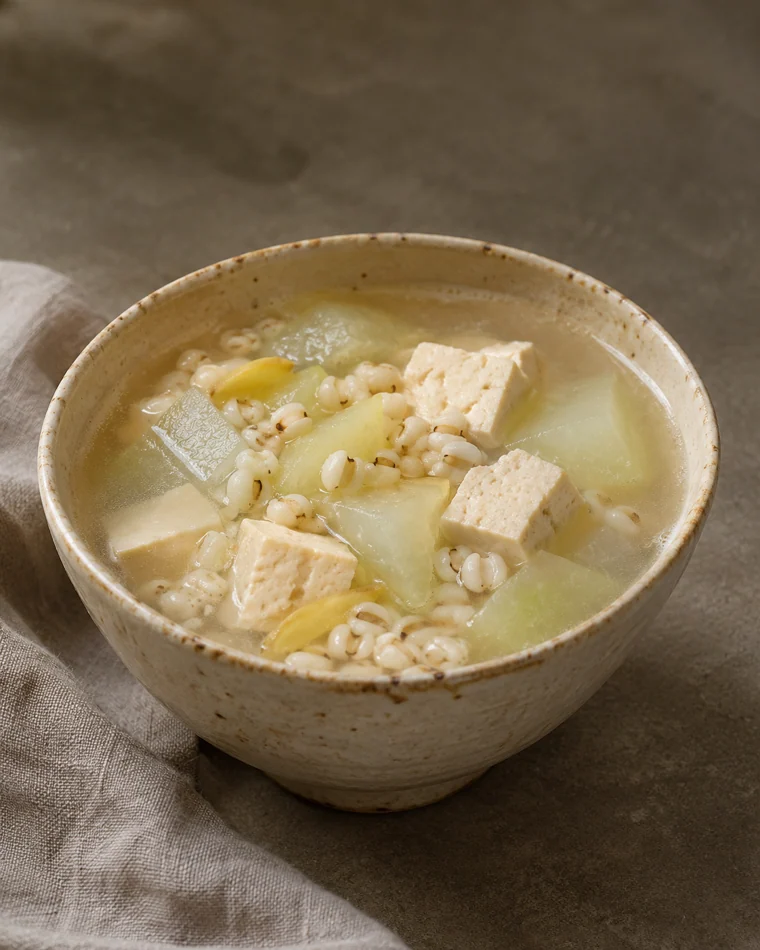
Beginning of SummerWinter melon, Job’s tears and firm tofu make a light but substantial bowl.
Liver Constraint
Stress puts you off your food
In this palace, tension is a cue to make mealtimes more regular. Sit down, give yourself time to chew and use just enough aromatic peel to make a dish appealing.
Autumn Equinox · related dishA little dried citrus peel gives the snow pear drink a gentle fragrance.
Yang Deficiency
Cold hands and feet
The warming approach starts with food served warm, cooked until tender and seasoned moderately. Use a little ginger for aroma and pair meat with vegetables.
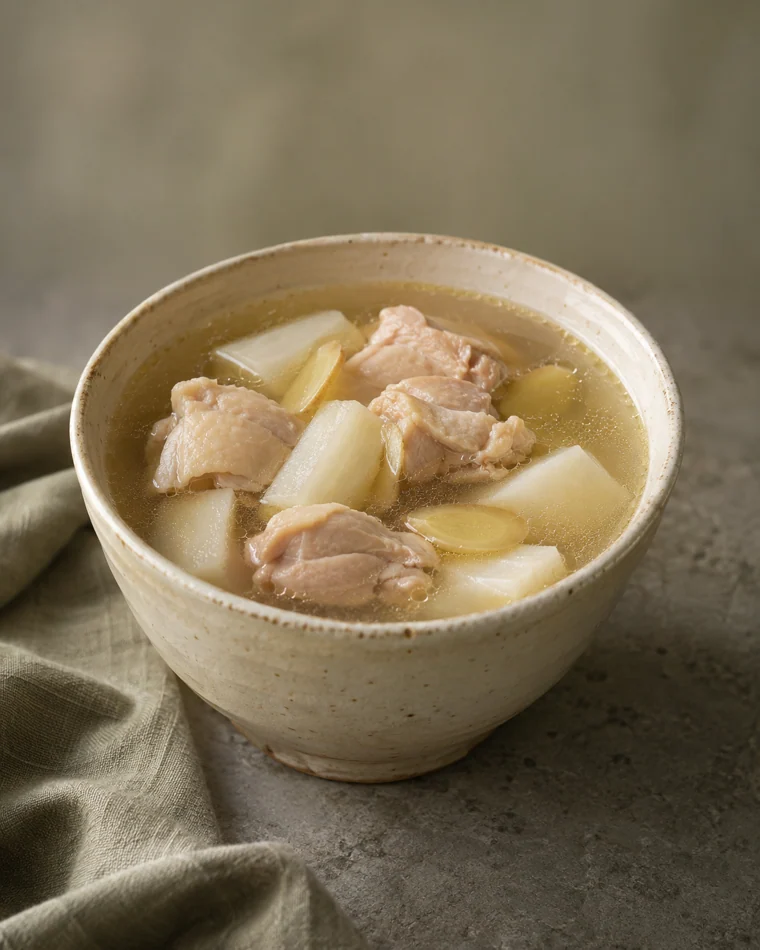
Beginning of WinterWhite radish, ginger and lamb soup with the surface fat skimmed off.
Phlegm Dampness
Uncomfortable fullness after a large meal
Look first at portion size and what rounds out the meal. Make room for cooked vegetables, grains or beans and a protein food, then adjust to what feels comfortable.
Summer · kitchen exampleThe winter melon dishes illustrate this lighter way of building a meal.
Blood Stasis
Lingering discomfort in one spot
This chapter introduces the traditional language of circulation. Begin with regular mealtimes and a varied plate. Persistent pain belongs in a conversation with a clinician.
Across the seasonsCarry this principle into any season by varying the grains, vegetables and protein foods in your meals.
Dual Nourishment
Feeling both chilly and dry
This palace pairs warming with moistening. Choose warm, softly cooked foods, use nuts in modest portions and notice how you feel after eating.
Great ColdA warm black bean and walnut drink, portioned to fit the rest of breakfast.
Body Balance
Finding a portion that satisfies
Keep vegetables and a protein food in the meal and adjust the staple to your appetite. This gives you a practical starting point for noticing hunger and fullness.
Awakening of Insects · related dishServe greens, shiitake and tofu soup with a portion of rice.
Skin Nourishment
Skin that feels dry or looks dull
The traditional approach sets care for the skin in the context of meals, fluids and rest. Across the day, make room for grain, protein foods, vegetables and fruit.
White Dew · related dishEnjoy a small bowl of pear and snow fungus soup alongside a varied day’s meals.
Harmony
Staying well when you feel balanced
When energy, appetite and digestion feel settled, keep the habits that suit you. Vary ingredients as the weather changes and use your own appetite as a guide.
Beginning of AutumnLotus root and rice congee offers a simple seasonal change to breakfast.